
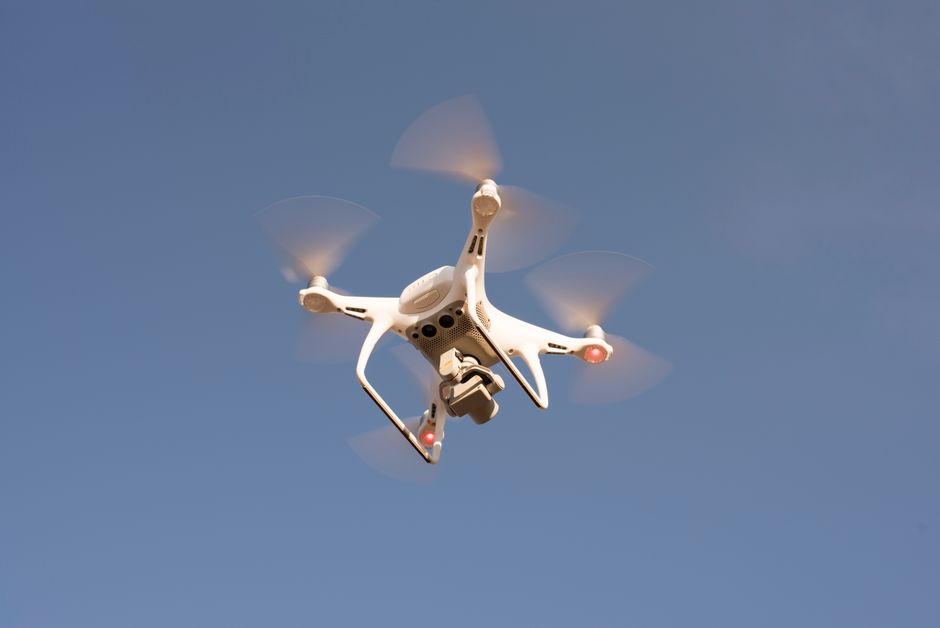
Imagine inspecting power lines across rugged terrain without ever setting foot on dangerous ground. Surveillance drones are transforming utility inspections by making them safer, faster, and more accurate. These advanced aerial vehicles have quickly become a preferred solution for utility companies aiming to meet strict safety standards and improve operational efficiency.
Faster and safer inspection processes
One of the biggest advantages of using a surveillance drone during utility inspections is the dramatic reduction in risk to personnel. Traditionally, inspectors had to climb towers, enter hazardous zones, or navigate difficult landscapes. Now, drones equipped with high-resolution cameras and sensors can perform these tasks remotely, minimizing exposure to potential hazards.
This technology is not only limited to overhead lines. Drones used for land surveys are now a common sight at large infrastructure projects, delivering detailed imagery and topographical data in a fraction of the time required by ground teams. For critical assets like substations or pipelines, drones can spot issues before they cause failures, reducing costly downtime.
Advanced data collection with commercial drones
Commercial drones deployed for utility inspections collect a vast range of data, from close-up images of equipment to thermal readings that detect overheating parts. These uncrewed aerial vehicles (UAVs), sometimes called drones interchangeably, can be programmed to follow precise flight paths, ensuring complete coverage of infrastructure with minimal human intervention.
By using aerial photographs, 3D mapping, and live video feeds, utility companies gain a comprehensive overview of their assets. This data can be stored and analyzed to track changes over time, supporting predictive maintenance strategies and better long-term planning.
Comparing UAVs and drones in utility inspection
In the context of utility inspections, the terms “UAV” and “drone” are often used as synonyms, but there are subtle differences. UAVs typically refer to more advanced systems with autonomous capabilities, suited for industrial-scale projects. Drones, as the broader category, include both professional and consumer models. For utility inspections, specialized UAVs are preferred for their reliability, longer flight times, and integration with professional-grade sensors.
This distinction matters when selecting equipment. A surveillance drone designed for commercial utility inspection will offer features like obstacle avoidance, encrypted data transmission, and compatibility with inspection software, all of which are essential for safe and compliant operations.
Integrating drone security into inspection routines
Security is a major concern for utility providers, especially when inspecting critical infrastructure. Surveillance drones equipped with real-time video feeds enhance situational awareness for teams on the ground. This added layer of monitoring helps detect unauthorized access, vandalism, or suspicious activity during inspections. Some utilities have integrated drone security patrols into their regular maintenance schedules, improving both safety and asset protection.
- Live video monitoring deters intruders and documents incidents.
- Thermal sensors help identify heat signatures and spot potential faults, even at night.
- Automated alerts can be set up for rapid response to detected anomalies.
Where to learn more about effective drone inspection
If you’re interested in expanding your use of surveillance drones for utility inspections, start by reviewing regulatory guidelines in your region and identifying the types of assets in your network most likely to benefit from aerial monitoring. Next, compare the capabilities of commercial drones and software platforms to find a package that meets your operational needs. For a deeper dive into best practices, look for technical guides on drone inspection workflows and case studies that focus on large-scale utility deployments.
